
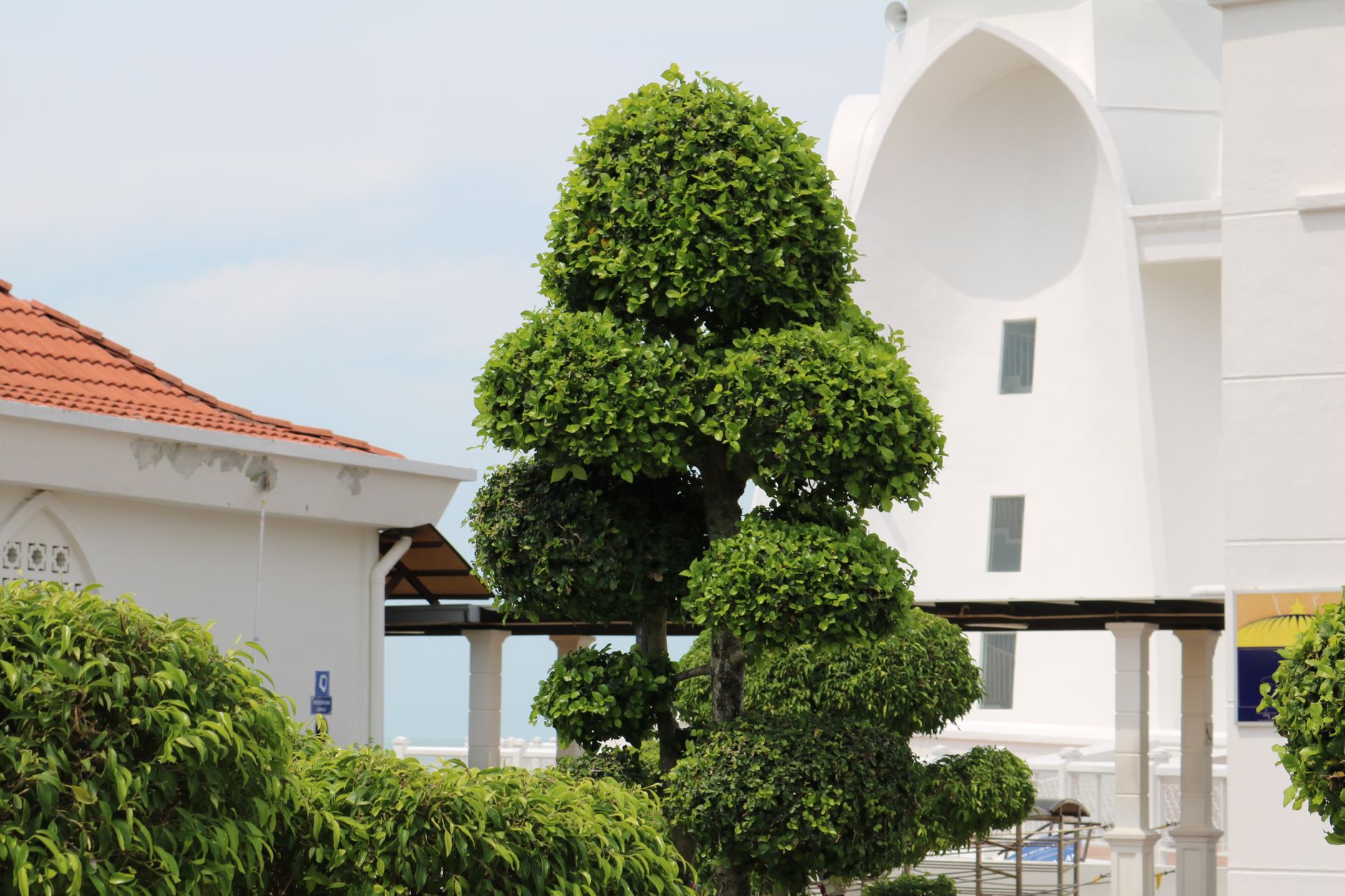
San Diego’s mild climate means trees do not all follow one tidy pruning calendar. The right time depends on the species, its growth cycle, and why a branch needs attention. A light trim to remove deadwood is different from shaping a young tree or reducing a limb near a roof. Before picking up the pruners, look at the tree’s condition and recent weather. A few careful checks can help protect its health and avoid cuts it does not need.
Start With the Tree Type
Different trees respond to pruning at different points in their growth cycle. Some deciduous trees are often pruned during dormancy, when their structure is easier to see. Many evergreen trees need only occasional corrective pruning. Flowering trees require extra thought: pruning at the wrong time can remove buds and reduce the next display. Identify the tree before cutting, and check species-specific guidance rather than applying one schedule to every tree.
Fruit trees also need a plan that fits their variety and purpose. Pruning can improve structure and light access, but heavy cutting may affect fruit production or encourage vigorous new growth. If you do not know what kind of tree you have, take clear photos of its leaves, bark, and overall shape. A qualified arborist or local gardening resource can help identify it before you make substantial cuts.
Follow Growth and Weather
Watch how the tree is growing instead of relying only on a particular month. New growth, flowering, fruiting, and leaf drop offer clues about its current cycle. Avoid major pruning when a tree is stressed by drought, heat, or recent damage unless removing a hazardous branch is necessary. In San Diego, dry spells and hot weather can add strain, so postpone nonessential work when the tree is already struggling.
Consider weather after the planned work, too. Strong winds or extreme heat can make pruning more stressful and complicate work at height. For routine shaping, choose a mild period when you can inspect the tree safely and see its form clearly. Do not delay urgent work just to wait for an ideal season; instead, keep people clear of the area and arrange a professional assessment.
Look for Branch Warning Signs
Dead, broken, cracked, or hanging branches deserve prompt attention, especially above a walkway, driveway, or roof. Also look for limbs rubbing against each other, growth obstructing a clear path, or branches contacting utility lines. A few small twigs on the ground may be ordinary shedding, but large pieces, fresh cracks, or a sudden lean call for a closer look. Keep people away from suspicious limbs until the tree has been assessed.
Not every awkward-looking branch needs removal. Excessive cutting can weaken a tree, expose it to sun damage, and trigger unwanted shoots. Remove only what has a clear purpose, such as addressing damage, improving structure, or clearing an obstruction. Never prune branches near power lines yourself. Contact the utility provider or a qualified tree professional, and seek prompt help if a limb could fall onto people or property.
Make a Safe Pruning Plan
Before pruning, decide what you want to correct and how much material the job requires. Use clean, sharp tools for small branches, and make cuts just outside the branch collar—the slightly raised area where a branch joins the trunk or a larger limb. Avoid leaving long stubs or cutting flush against the trunk. If you are unsure where to cut, stop and get guidance; a poor cut can create lasting damage.
Large limbs, work above ground level, and branches close to buildings call for professional equipment and training. Ask the tree-care provider to explain which branches need removal, why the timing makes sense, and how the work will protect the tree’s structure. Sunny Grove Tree Care serves San Diego property owners who need help evaluating tree pruning needs. A clear plan keeps the focus on the tree’s health and the safety of the people nearby.
The best pruning time depends on what kind of tree you have, where it is in its growth cycle, and whether any branches pose a safety concern. Identify the tree, check its condition, and avoid unnecessary cuts—especially during stressful weather. If a limb is large, damaged, or near a structure or utility line, contact a qualified professional for an assessment.